
Tourism in Colombia is entering a new phase. For years, a destination’s success was measured by the number of visitors and immediate economic growth. Today, however, the challenge is different: ensuring that tourism not only generates revenue but also protects ecosystems, strengthens local culture, and improves the quality of life for communities.
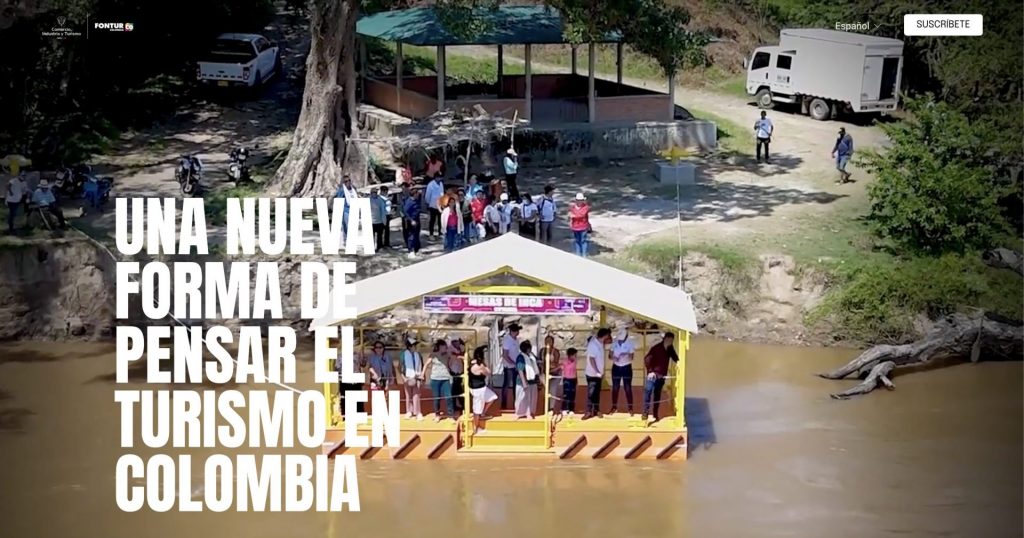
This perspective was recently highlighted in an article by Fontur Magazine, which highlights the need to develop a form of tourism that is more mindful, sustainable, and connected to local communities.
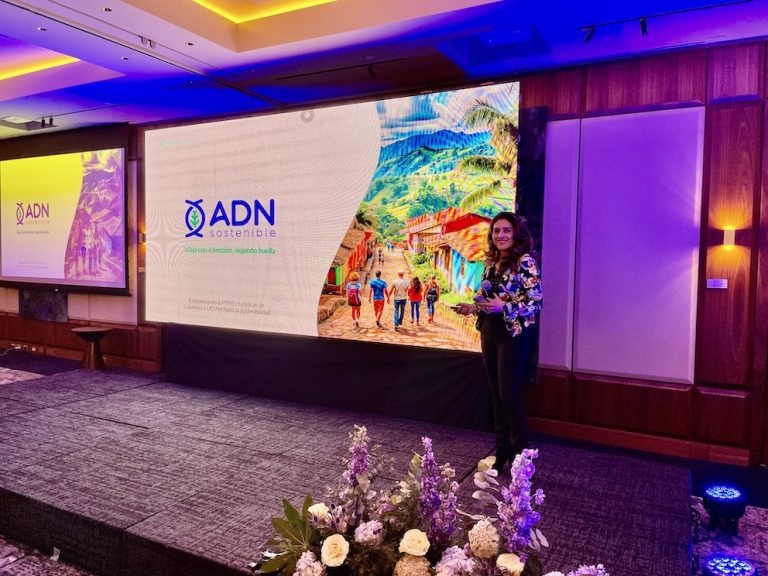
And that is precisely where initiatives such as DNA Sustainable, developed by Simbiotic, are gaining prominence.
⸻
Sustainable Tourism in Colombia: A Paradigm Shift
Colombia is one of the most biologically diverse countries on the planet. It also boasts a wealth of cultural and natural resources. Therefore, the future of the tourism sector cannot depend solely on an increase in the number of visitors.
Today, destinations face increasingly complex challenges:
- Environmental overload
- Cultural loss
- Inefficient waste management
- Pressure on natural resources
- Tourism disconnected from local communities locales
Consequently, the tourism industry needs to evolve toward regenerative and sustainable models.
The question is no longer simply:
👉 “How can we attract more tourists?”
Now we must also ask ourselves:
👉 “How can tourism protect the local environment while driving economic development?”
⸻
Colombia has the opportunity to lead the way in sustainable tourism in Latin America
The global landscape is changing rapidly.
More and more travelers are looking for:
- Authentic experiences
- Connecting with communities
- Nature and Conservation
- Responsible tourism
This represents a huge opportunity for Colombia.
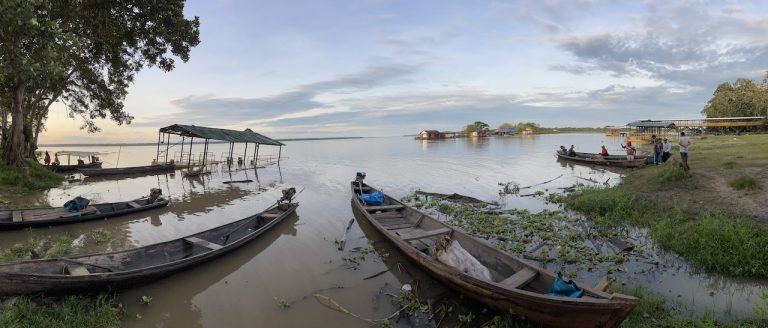
Destinations such as Puerto Nariño are already proving that it is possible to develop tourism models that prioritize sustainability, innovation, and community involvement.
In addition, programs such as MinCIT and Fontur’s “Tourism 4.0” initiative demonstrate that the country is beginning to promote technological solutions and collaborative models to transform the sector.
⸻
The Role of Tourism Companies
The transformation of tourism does not depend solely on governments or travelers.
Tourism companies also play a strategic role.
Hotels, travel agencies, tour operators, and restaurants need:
- Measuring your impact
- Reduce waste and emissions
- Integrate the circular economy
- Communicating sustainability in a consistent manner
- Creating social value in the region
⸻
Purpose-driven tourism: a trend that will continue to grow
Sustainability is no longer just a minor differentiator. It is becoming one of the key decision-making criteria for travelers, investors, and strategic partners.
That is why destinations that succeed in integrating:
- innovation,
- culture,
- sustainability,
- technology
- community involvement
will be the ones to lead the tourism industry of the future.
And Colombia has everything it needs to become a regional leader.
⸻

Sustainable DNA: A New Way of Understanding Tourism
DNA Sustainable was created precisely to address this challenge.
This is a digital platform developed by Simbiotic that aims to transform tourism into an asset capable of:
🌱 Protect ecosystems and biodiversity
🤝 Strengthen local communities
💡 Promoting innovation and the circular economy
📊 Measure real impacts and avoid greenwashing
🌍 Connecting conscious travelers with responsible destinations
Unlike traditional models, ADN proposes that sustainability should move beyond mere rhetoric and become a practical tool for regional competitiveness.
⸻
From extractive tourism to regenerative tourism
For decades, many destinations developed under an extractive model. In other words, they focused on attracting visitors without taking into account the environmental and social limits of the area.
However, the new tourism needs to strike a balance.
That is why ADN Sostenible promotes principles such as:
🌿 Territorial regeneration
The goal is not just to reduce environmental impacts. It also aims to restore and strengthen ecosystems and local culture.
📲 Sustainable digital transformation
Technology serves as a tool for highlighting responsible practices, measuring impact, and connecting stakeholders.
🏡 A stronger local economy
Tourism should directly benefit local communities and businesses.
🔗 Transparency and traceability
Through technology, it is possible to build trust and combat greenwashing practices.
⸻
Is your destination or tourism business looking to move toward a more sustainable and innovative model?
Discover how ADN Sostenible can help you strengthen your community, connect with conscious travelers, and make a positive impact. 👉 Contact us to schedule a meeting with our team.